2026 Fence Trends: What Homeowners Are Planning Next (and How to Start the Right Way)
by Smithery Post & Plank 05/27/2026
Fencing is starting to follow the same path decks and outdoor spaces took a few years ago, moving from purely functional builds to something more intentional.
Across residential builds, there’s a growing focus on planning, layout, and design flexibility—with many homeowners exploring ideas on their own before committing to a full installation.
For homeowners in Florida, especially in areas like Sebastian, Vero Beach, Melbourne, and Palm Bay, these trends are shaped by both design preferences and the realities of the local climate.
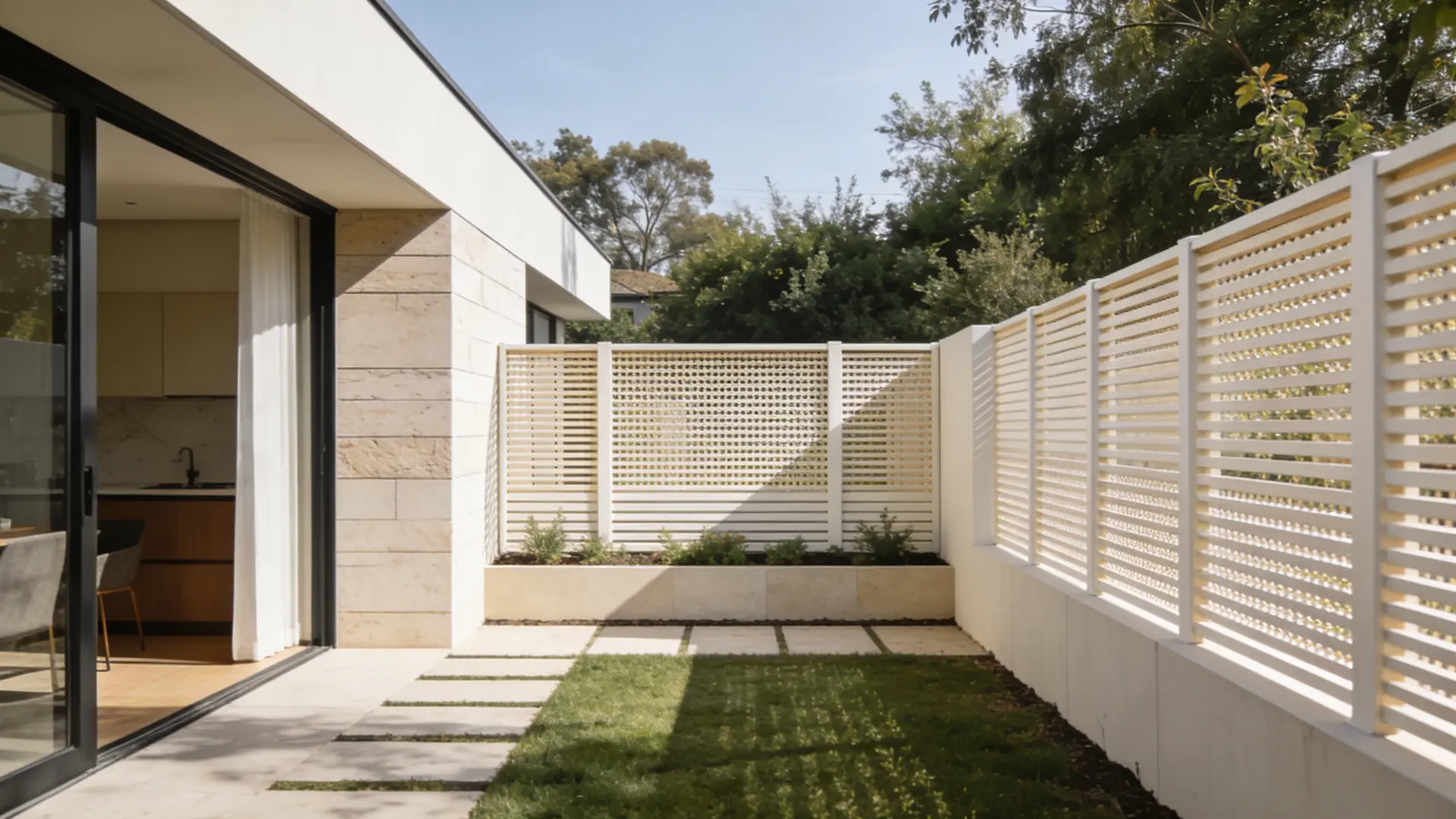
Trend 1: Designing Before Building
More homeowners are taking time to plan their fence as part of the overall property—not as a standalone feature.
Instead of deciding on a fence style in isolation, they’re considering:
- how the fence connects to decks and patios
- where privacy is actually needed
- how the layout will feel from inside the yard
This shift is leading to more cohesive builds and better long-term results.
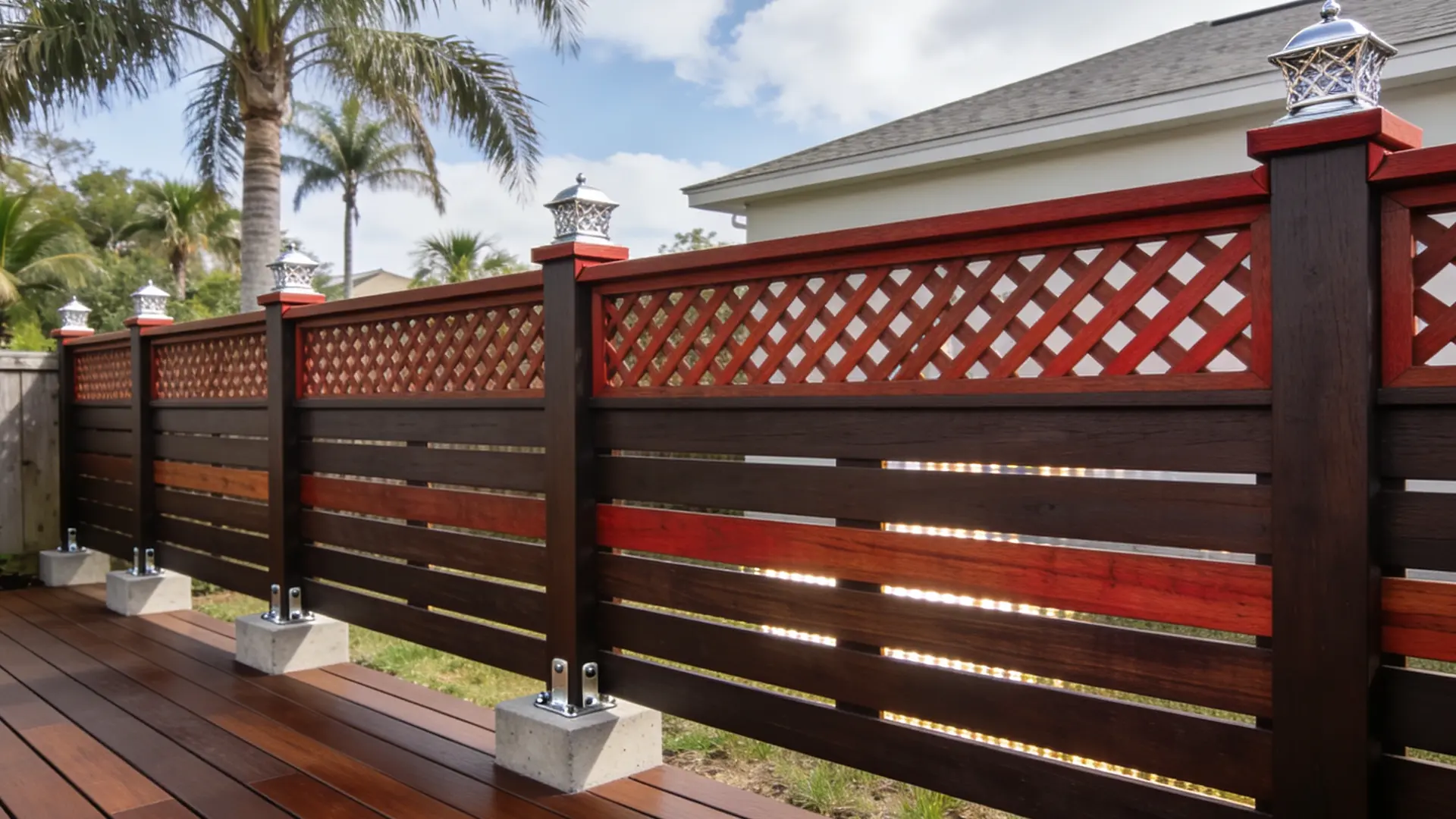
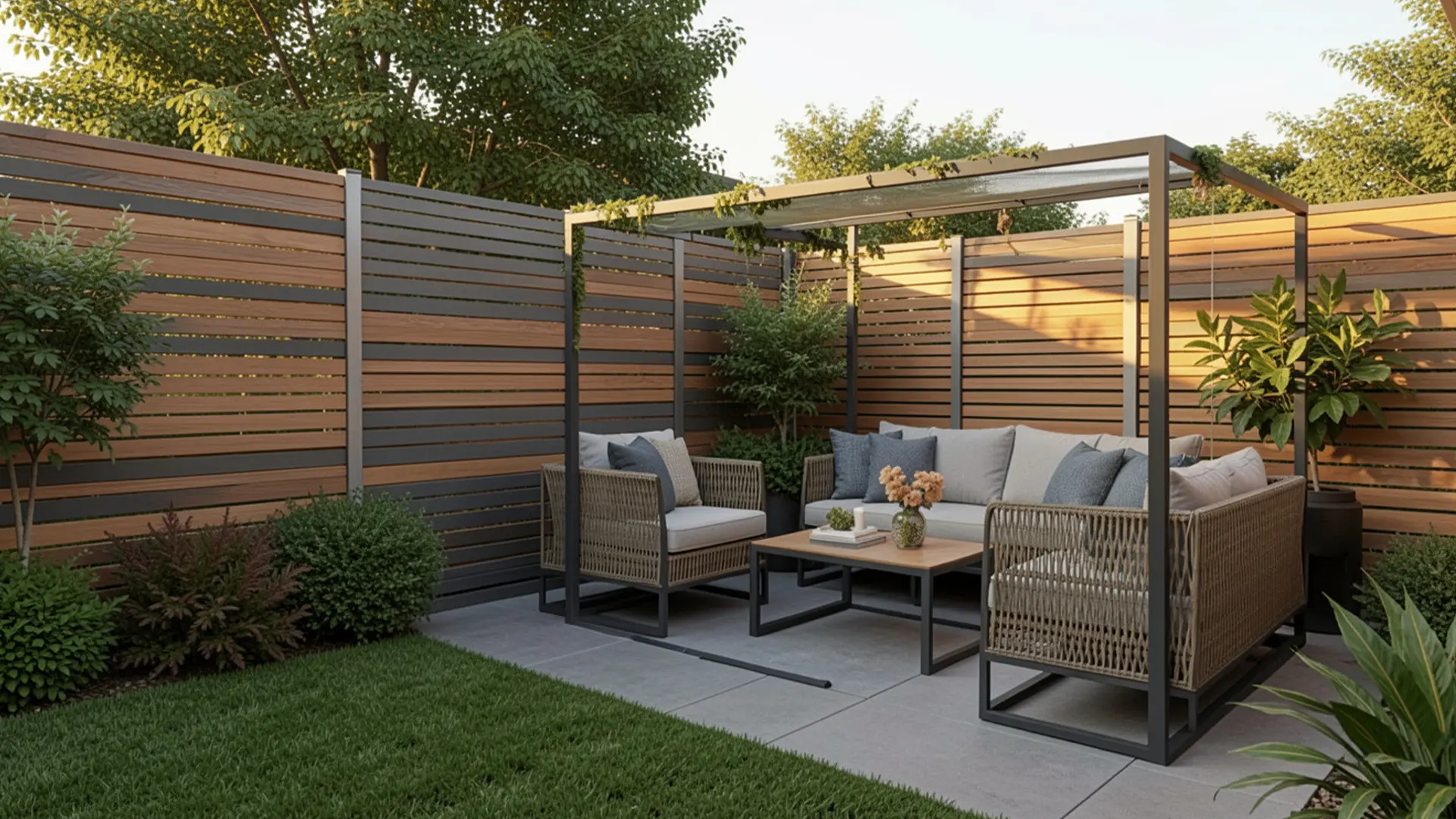
Trend 3: More Open, Breathable Designs
Solid privacy fencing still has its place, but many new builds are moving toward designs that feel less enclosed.
Spacing between boards, horizontal slat layouts, and mixed materials allow for:
- better airflow
- improved light
- a more open feel, especially in smaller yards
In Florida, where outdoor comfort matters, this shift is as practical as it is aesthetic.
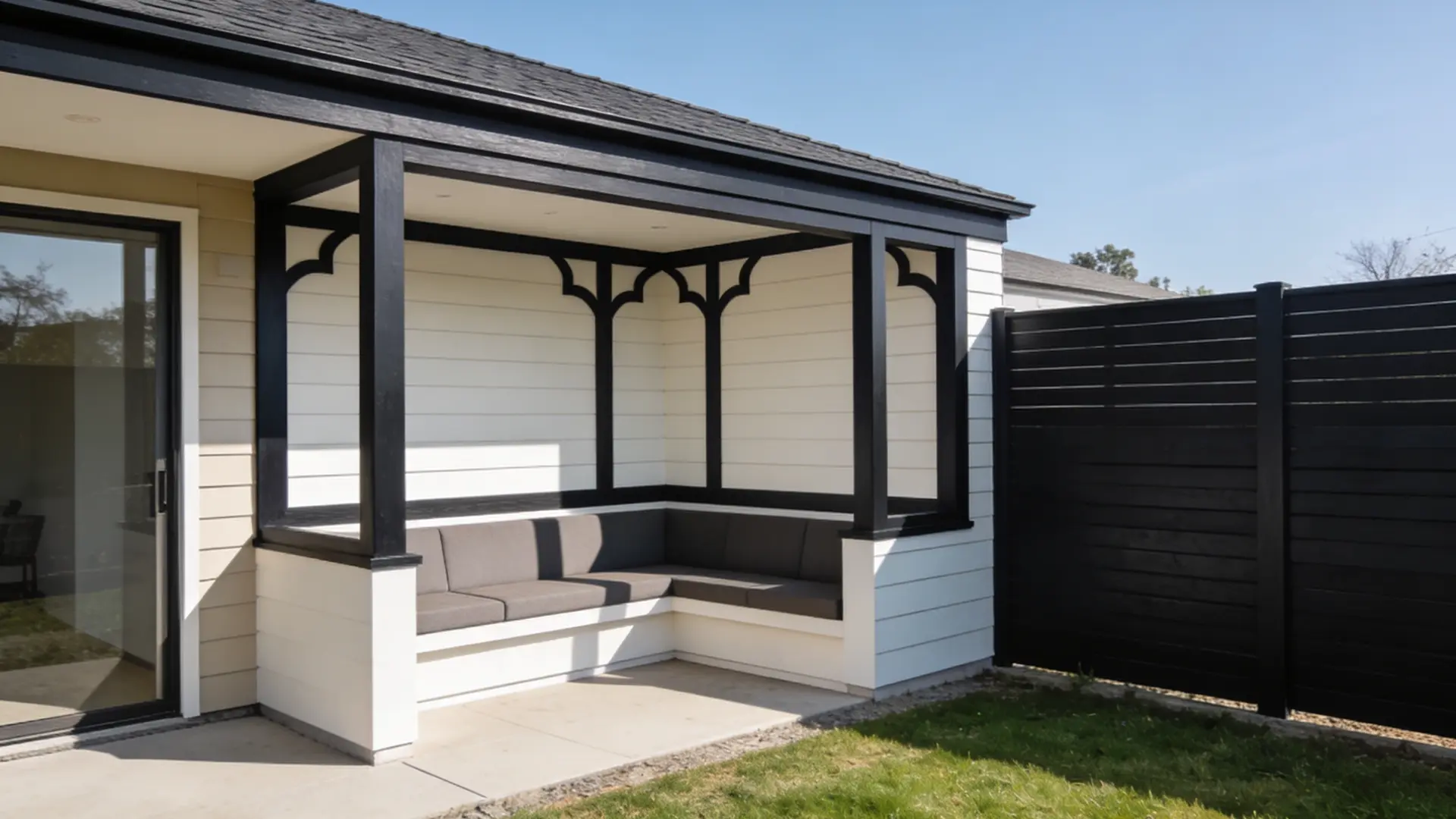
Trend 4: Color and Material Coordination
Fences are no longer being selected independently of the home.
Homeowners are increasingly coordinating fence materials and finishes with:
- deck boards
- exterior trim
- roofing tones
- landscaping elements
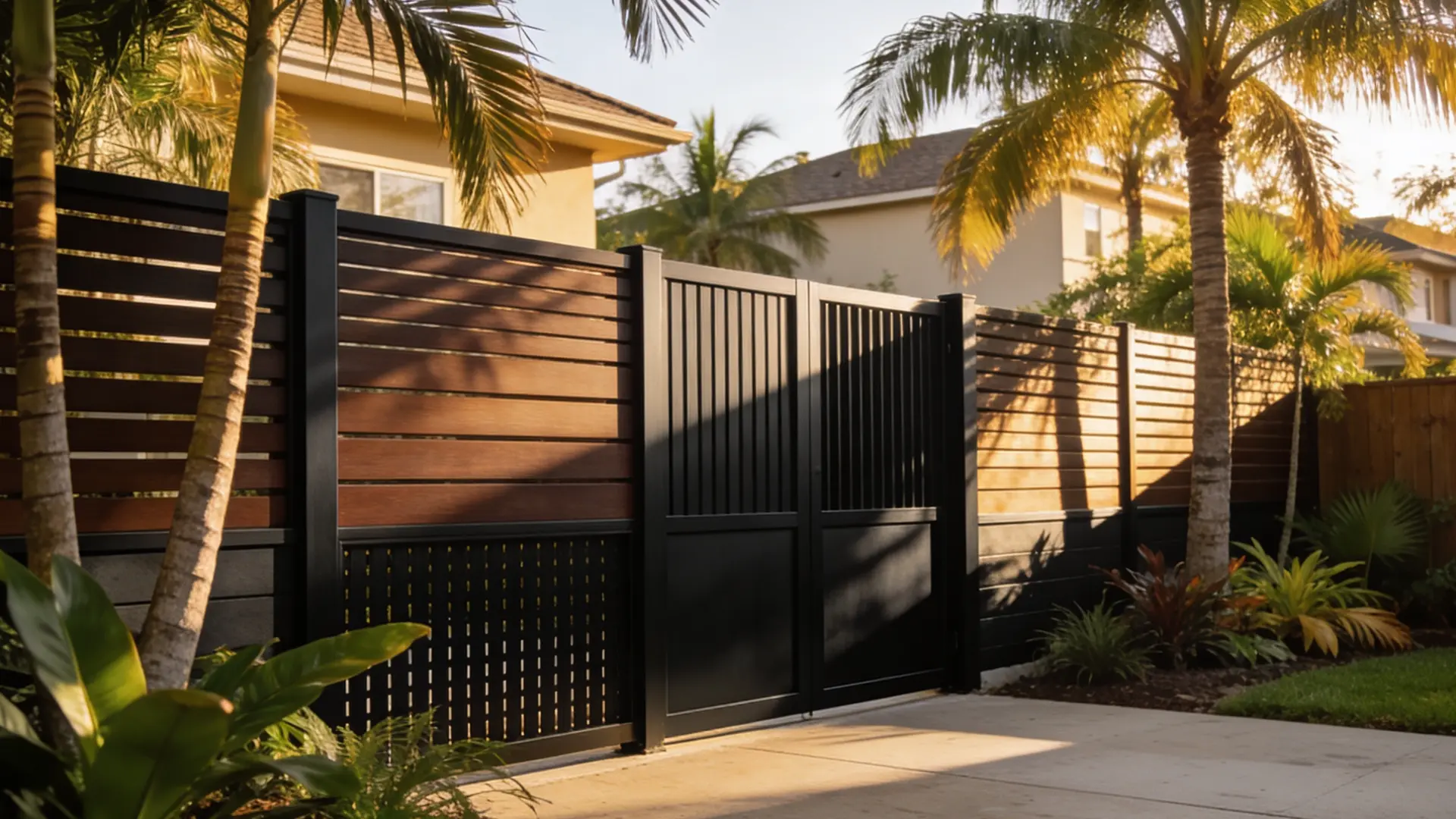
Darker finishes and mixed-material combinations are becoming more common, helping fences feel like part of the home’s design rather than an add-on.
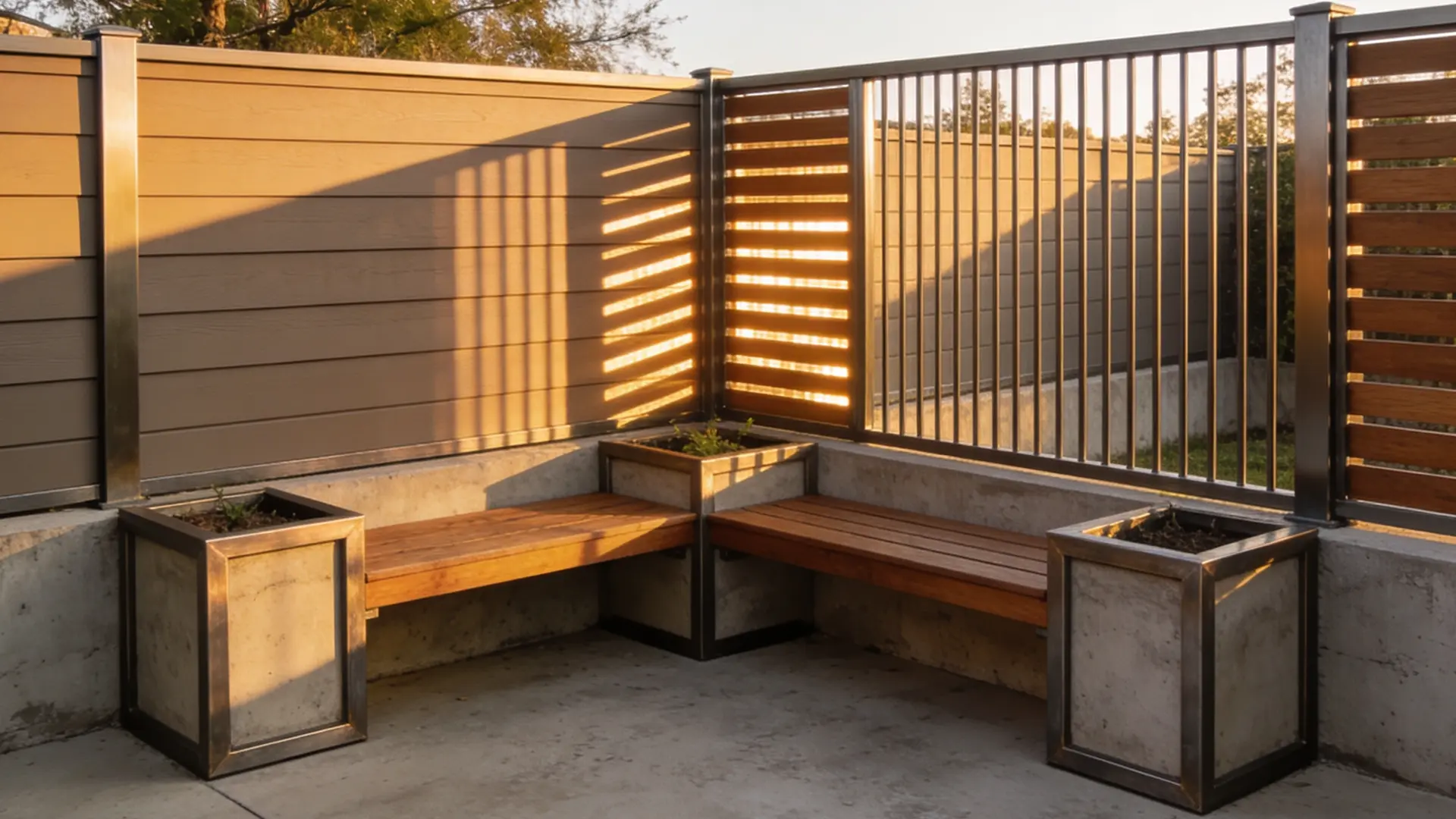
Trend 5: Using DIY for Planning, Not the Final Build
One of the more interesting shifts is how homeowners are using DIY—not to replace professional builds, but to explore ideas ahead of time.
This might include:
- laying out fence lines with temporary markers
- testing spacing and height visually
- experimenting with colors or finishes on sample materials
These steps help clarify the vision before committing to a full installation, leading to better decisions and smoother builds.
| Trend | What's Changing | How Homeowners Are Responding |
|---|---|---|
| Design-First Planning | Fences are being considered alongside decks, patios, and landscaping. | Planning the entire outdoor layout before construction begins. |
| Mixed Fence Sections | Different fence styles are used within the same project. | Combining privacy, decorative, and open sections based on how each area is used. |
| Open & Breathable Designs | Greater emphasis on airflow and natural light. | Choosing slatted layouts and semi-private designs instead of solid walls. |
| Coordinated Materials & Finishes | Fences are becoming part of the home's overall design language. | Matching fence colors and materials with decks, trim, and exterior features. |
| Visualization Before Building | Homeowners want to see concepts before committing. | Using mockups, renderings, and AI-generated concepts to refine ideas. |
Design With the Full Build in Mind
The biggest takeaway heading into 2026 is that better fencing starts earlier.
Homeowners who take the time to plan—considering layout, materials, and how the space will actually be used—end up with builds that feel more natural and last longer.
At Smithery Post and Plank, every project starts with that same mindset: designing the full system first, then building it to perform in Florida’s conditions.
Smithery Post and Plank designs and builds custom fencing systems for residential properties across Indian River County and Brevard County, including Sebastian, Vero Beach, Melbourne, Palm Bay, and surrounding coastal areas. Every project is planned with Florida’s climate, layout, and long-term performance in mind.
Planning a new build? Start the conversation →